Four nights provide more flexibility than a weekend. Use it for weather changes and varying energy levels as well as extra destinations. A framework with one main outing, one shorter day and an intentionally open period gives direction without making the stay depend on a rigid order.
Sort ideas by suitable conditions
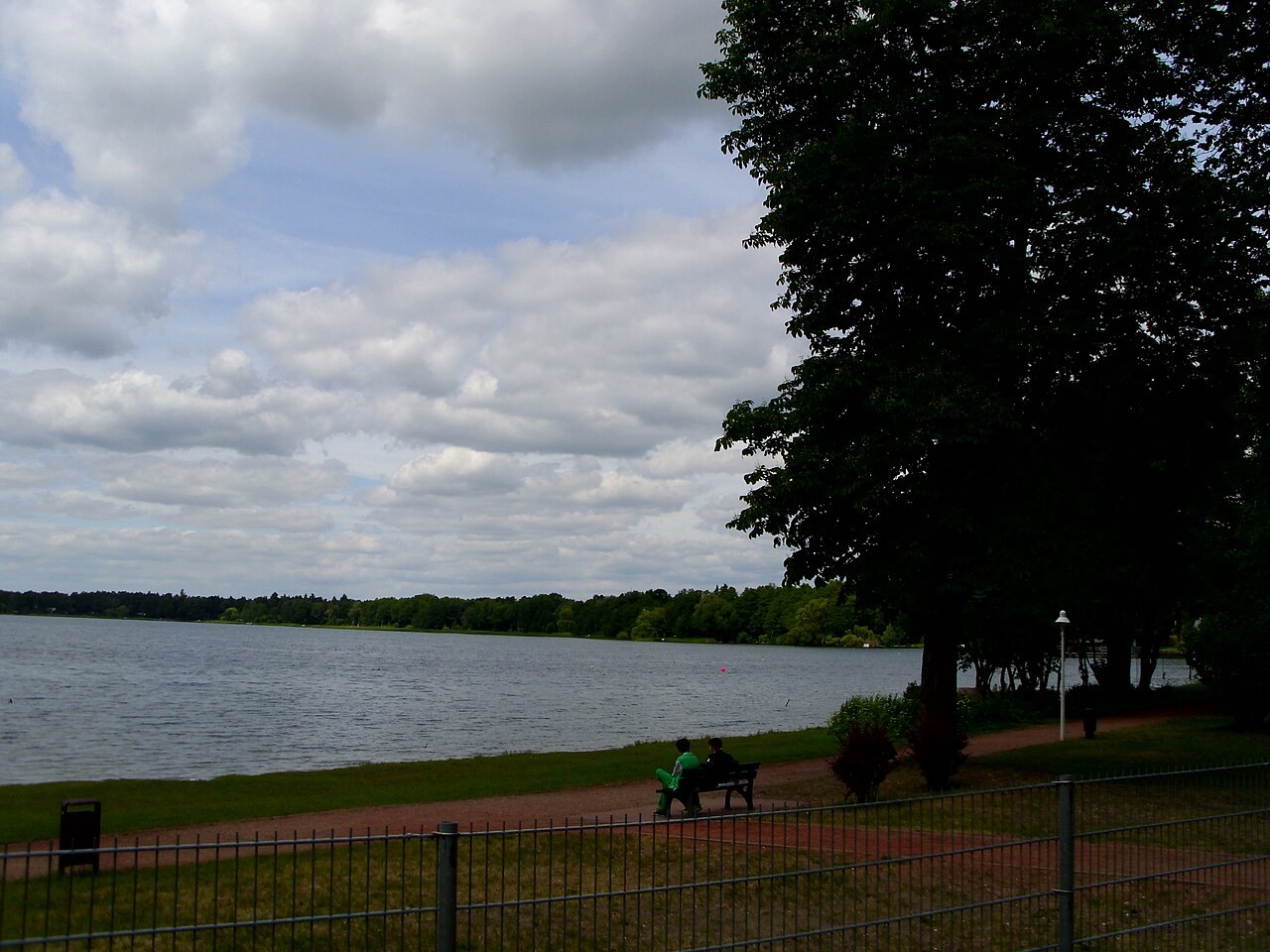
Note which plan needs dry weather and which works when it is cooler. A lakeside walk requires different preparation from a long swimming day. The official lake map helps with geographic orientation. Then check the actual access and route from your property. Two apparently close destinations need not have a practical walking connection.
Give each idea two notes: what must be settled beforehand and what can be decided locally. For one outing, the journey might already be checked while the length of the visit remains open. Put the ideas side by side instead of immediately assigning them to dates. Decide their order once weather and any reservations are clearer. When changing a day, move the complete arrangement, including shopping and return travel, where possible. Moving only the destination while leaving every other time unchanged can create avoidable conflicts. This small preparation makes swaps easier without requiring a complete second itinerary for every alternative.
Make one day smaller
After a longer excursion, a short village walk, shopping and a break can be welcome. Discuss the next day the evening before instead of reopening every possibility each morning. Anyone wanting rest need not devise a separate lengthy activity. Accommodation with an appropriate communal space makes different preferences easier to combine.
Avoid filling the end of the stay
Before the final night, allow time for remaining shopping, laundry or revisiting a favourite place. A new destination need not replace one you enjoyed. Recheck timed activities and return services when relevant. Rain may justify swapping days if confirmed reservations allow it. Keep departure manageable rather than collecting every postponed idea on the last morning.
Common questions
Do I need an hourly schedule?
No. A daily focus and known return arrangements usually provide enough structure.
What should be fixed beforehand?
Accommodation, arrival, essential reservations and important access conditions; much else can stay flexible.